
Introduction
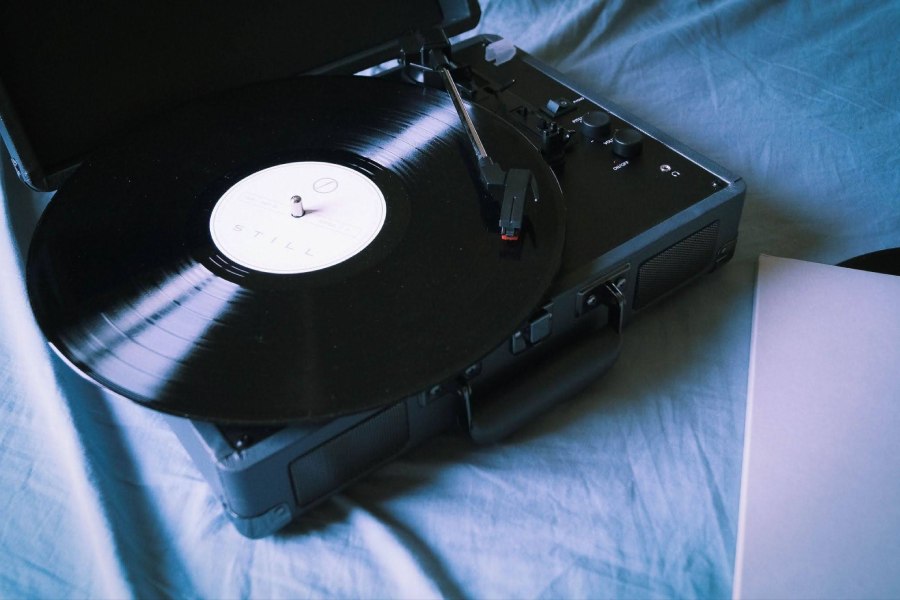
In an era dominated by instant digital streaming and algorithms that predict our every musical preference, a decades-old physical format has staged an unprecedented comeback. Music enthusiasts, audiophiles, and casual listeners alike are flocking back to turntable setups. But what is driving this resurgence? Is it pure nostalgia, a fashion statement, or is there a genuine acoustic difference that makes record playback sound special?
Professional audio setup specialists like Audio Suite understand that audio is not just about raw playback; it is about creating an immersive sonic landscape. When exploring options like home theater system installation services, integration of analog turntables alongside modern digital rigs remains a top request. The answer lies deep within acoustic physics, master engineering, human psychology, and the mechanics of physical media playback. If you have ever wondered why spinning a slab of PVC resin feels and sounds distinctly different from hitting play on a smartphone, you are in the right place. In this detailed exploration, we will unpack how vinyl sound quality compares to digital alternatives, dissect the mechanics of turntables, and examine why the warmth of analog continue to capture the hearts of listeners worldwide.
The Science of Analog Audio: How Vinyl Produces Sound
To understand why physical record playback possesses a distinct tonal characteristic, you first need to examine the mechanical process that turns physical grooves into audible music. Unlike digital files, which translate sound into binary computer code, records store audio as a continuous physical representation of soundwaves.
The Physical Groove Architecture
Look closely at a spinning record under a magnifying glass, and you will see an intricate network of tiny undulating grooves. These grooves are direct physical transcriptions of acoustic soundwaves captured during performance or studio mixing.
- Microscopic Mechanics: As a record spins, the diamond tip of the turntable stylus rides inside these micro-grooves.
- Dual Channel Sound: The inner wall of the groove contains the left audio channel, while the outer wall carries the right channel. Both sides are carved at precise 45 degree angles relative to the surface.
- Stereo Separation: As the stylus moves laterally and vertically along these walls, it mimics the exact vibrations of the original soundwaves.
From Vibration to Voltage: The Electromagnetic Conversion
The physical movement of the stylus alone is far too quiet for human ears to process clearly. This is where electromagnetic induction takes over:
- The Cartridge Mechanics: The stylus connects to a tiny cantilever inside the turntable cartridge. Attached to the top end of this cantilever is either a small magnet or a microscopic coil of wire.
- Generating Signal: As the stylus bounces along the groove contours, it causes the magnet or coil to vibrate between tiny magnetic fields.
- Tiny Voltages: This kinetic movement induces a tiny electrical signal, measured in mere millivolts.
- Phono Preamplification: This delicate voltage travels down the tonearm wires to a phono stage preamplifier, which boosts the tiny signal to standard line-level voltage and applies RIAA equalization curves to restore low bass and tame high frequencies.
Because this playback system relies on continuous physical contact, every physical parameter plays a direct role in shaping the final tone.
Analog vs Digital Audio: Continuous Waves vs Digital Snapshots
The debate surrounding analog vs digital audio usually centers on wave shapes. To capture sound digitally, microprocessors take thousands of tiny measurements per second. In contrast, analog formats record the full, uninterrupted waveform.
The Continuous Waveform Advantage
Sound in the physical world is inherently analog. When an acoustic guitar string plucks or a singer vocalizes, it creates continuous pressure waves through the air. Analog recording formats mirror this natural phenomenon without interruption.
- Infinite Resolution: An analog wave does not rely on bit depth or sample rates. It is a smooth, continuous line of information without digital chopping.
- Harmonic Resonance: Because the wave is unbroken, musical overtones, ambient hall reflections, and natural instrument resonances decay smoothly into silence.
How Digital Sampling Works
Digital audio systems operate by taking rapid snapshots of an incoming audio signal, a process known as sampling.
- Sample Rate: Standard CD-quality digital audio captures 44,100 snapshots per second (44.1 kHz). High-resolution digital files can record 96,000 or 192,000 samples every second.
- Bit Depth: Bit depth determines dynamic range. Standard 16-bit digital offers 96 decibels of dynamic range, while 24-bit audio increases this to 144 decibels.
While modern high-resolution digital audio can approximate smooth curves with extreme precision, the underlying process is still reconstruction. The human ear, particularly when listening through high-fidelity playback equipment, can perceive subtle differences in ambient space and warmth between these two recording approaches.
The Magic of Master Cut Engineering and Equipment Dynamics
When music fans describe physical record sound as warm, organic, or alive, they are often reacting to specific mechanical characteristics and master cutting techniques unique to the format.
Mechanical Warmth and Second Harmonic Distortion
Oddly enough, some of what makes physical playback sound pleasing to human ears comes from subtle physical imperfections introduced by mechanical reproduction:
- Cartridge Coloration: Phono cartridges, tonearms, and preamplifiers add subtle analog colorations to the sound. Moving parts introduce mild second-harmonic distortion.
- Pleasing Harmonics: Unlike harsh odd-harmonic distortion found in digital clipping, second-harmonic distortion mimics natural acoustic resonances, creating an auditory perception of body, depth, and spatial warmth.
- Subtle Dynamic Compression: The physical limitations of cutting a lacquer disc mean that extreme dynamic spikes are naturally cushioned, preventing harsh digital peaks.
Mastering Considerations
Mastering engineers must treat audio differently when preparing a release for pressing onto physical discs compared to mastering for digital distribution platforms
- Bass Frequency Balance: On an analog disc, low frequencies are summed to mono to prevent the stylus from hopping out of the groove. In digital streaming, bass can remain wide stereo without physical tracking risks.
- High Frequency Control: Harsh sibilance and extreme treble must be limited on physical masters to prevent stylus tracking distortion. Digital formats allow high frequencies to extend endlessly without mechanical limits.
- Dynamic Range: Analog masters preserve original macro dynamics to allow natural instrument expression, whereas digital masters are often squashed using brickwall limiters to maximize average loudness.
Because mastering for physical media requires careful attention to frequency balances and physical dynamic tracking, masters pressed to vinyl often preserve greater dynamic variation than heavily compressed digital streaming masters.
Vinyl vs Streaming Quality: The Psychological and Tactile Connection
Music appreciation involves more than just soundwaves entering the ear canal; it is a full sensory experience. The physical nature of record listening fundamentally alters how we perceive and process musical art.
The Mindful Ritual of Playback
Digital streaming platforms encourage rapid track skips and passive background listening. Physical media demands presence and active engagement:
- Tactile Interaction: Removing a record from its sleeve, carefully resting it on the platter, brushing away surface dust, and lowering the tonearm cue lever prepares the brain for active listening.
- Focused Attention: Because skipping tracks requires physical intervention, listeners are far more likely to sit down and experience an album in its intended sequence as a complete artistic statement.
The Physics of Physical Presence
Listening to an analog setup drives room interactions in ways headphones and phone speakers cannot duplicate. Large speakers push physical air through the room, allowing sub-bass vibrations to hit the body while stereo imaging creates a physical soundstage in front of the listener.
Comparing the Mediums: Vinyl vs Digital Sound
Both playback formats possess unique strengths and weaknesses. Choosing the ideal format depends entirely on listener priorities, lifestyle preferences, and equipment configurations.
Key Performance Attributes
- Dynamic Expression: Analog masters often protect soft-to-loud transitions, while digital masters are frequently compressed for uniform volume levels in loud environments.
- Frequency Response: Modern digital audio provides an extremely flat, accurate frequency response from 20 Hz to 20,000 Hz. Analog formats introduce a gently curved frequency profile characterized by rich mids and smooth highs.
- Noise Floor: Digital audio offers a dead quiet background with zero physical surface noise. Analog playback includes low-level mechanical surface noise, tape hiss, and occasional pops, which many listeners feel adds nostalgic personality.
- Channel Separation: Digital delivers absolute left/right isolation (over 90 dB stereo separation), whereas physical cartridges achieve around 25 to 30 dB of separation, creating a blended stereo soundstage that feels natural to human hearing.
Pros and Cons of the Analog Experience
To decide if analog equipment aligns with your listening habits, weigh these primary advantages and disadvantages
Pros
- Rich Acoustic Warmth: Natural mid-range frequencies bring vocal performances and acoustic instruments to life.
- Uncompressed Mastering: Preserves full dynamic range without aggressive volume limiting.
- Tangible Ownership: Includes large format cover artwork, liner notes, lyric booklets, and collectable physical discs.
- Intentional Listening Routine: Encourages deep focus and complete album immersion without digital screen distractions.
Cons
- Maintenance Requirements: Physical records require routine cleaning, careful storage, and periodic stylus replacements.
- Susceptibility to Damage: Dust, scratches, and static electricity can cause pops, clicks, and tracking errors.
- Hardware Setup Complexity: Requires careful tonearm alignment, tracking force adjustment, phono preamp matching, and vibration isolation.
- Higher Total Cost: Physical media releases and quality turntable equipment require a significantly larger financial investment than streaming subscriptions.
FAQ’s
Record grooves contain micro-scale physical undulations carved into vinyl resin. As the turntable platter rotates, a precision diamond stylus rides these grooves, vibrating a cantilever attached to magnets or wire coils inside the cartridge. This kinetic motion generates tiny electrical signals that are amplified into audible sound.
Technically, high-resolution digital audio offers superior measurable specifications, including wider frequency response, higher signal-to-noise ratio, and lower total harmonic distortion. However, audio preference is subjective. Many audiophiles prefer the pleasing harmonic structure, blended stereo imaging, and natural dynamic balance offered by physical records.
Conclusion & Next Steps
The magic of analog audio lies in its ability to bring us closer to the physical reality of sound. Through mechanical grooves, electromagnetic conversion, and dynamic mastering, physical records deliver an organic listening experience that digital files struggle to copy. While digital audio offers convenience and immaculate measurable specs, physical media provides tactile presence, warmth, and artistic depth that continues to captivate music lovers across generations.
Whether you are building your first stereo corner or integrating a reference turntable into an existing hi-fi environment, investing in quality playback components transforms how you experience your favorite music.
Ready to elevate your home listening experience to true audiophile standards?
Bring rich, room-filling sound into your living space with our custom audio solutions.